Curious what your Oxnard beach home in 93035 could sell for right now? Pricing coastal property is different from a typical subdivision home because view, elevation, permits, and insurance all matter. You deserve a clear, local roadmap to a confident number without guesswork. In this guide, you’ll learn what drives value on the sand, how risk and permitting affect price, and the exact steps to get a defensible valuation. Let’s dive in.
What drives 93035 beach home value
Location and view tier
First-row, direct beachfront homes command the highest premiums. Second or third row can still sell at a premium for proximity and views, but adjustments are needed for obstructions and access. Uninterrupted west-facing views tend to capture stronger demand.
Lot size and frontage
Wider lots with greater lateral frontage can feel more private and flexible for design. Lot depth and any private access to the beach also influence price. Public access points nearby can affect perceived privacy and parking.
Elevation, setback, and orientation
Higher elevation and greater setback from the mean high tide line reduce perceived flood and erosion risk. Orientation that frames wide, open ocean views is typically preferred over partial or cross-shore views.
Parking and access
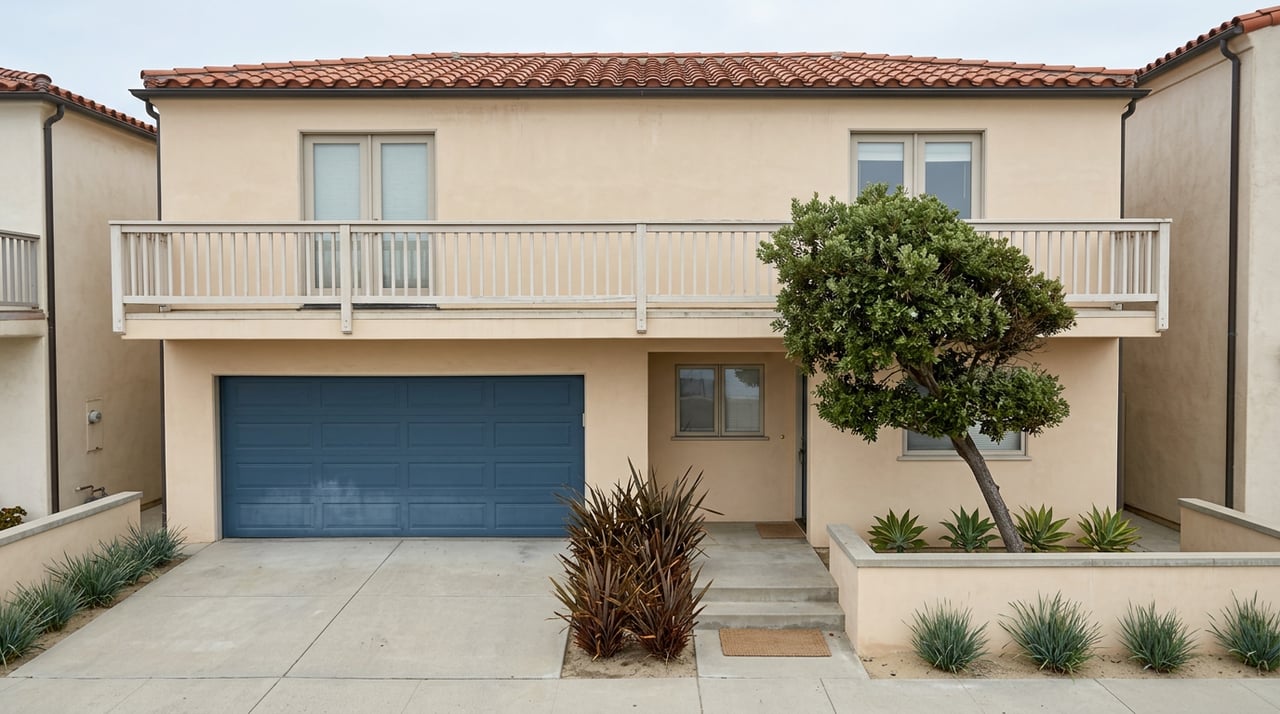
On-street competition near access points can deter some buyers. Off-street parking, a driveway, or garage space can add meaningful value for year-round use and guest convenience.
Condition, permits, and coastal structures
Updated systems and coastal-rated finishes increase buyer confidence. Permits and code compliance for past work matter. If there is a seawall, revetment, or bulkhead, buyers will ask about condition and permitting history.
Use and income potential
If you have a documented long-term or short-term rental history, investors may apply an income approach to value. Keep detailed income and expense records. Local rules for short-term rentals can affect demand, so verify current ordinances before positioning the home as a vacation-income asset.
Scarcity and comparable sales
Truly comparable beachfront sales can be limited. Appraisals often require larger adjustments for view, lot characteristics, and improvements. Expect more variability than you might see inland.
Risks, insurance, and permits that affect price
Flood zones and sea-level rise
Many beachfront homes fall within Special Flood Hazard Areas. Check your property using the FEMA Flood Map Service Center. To understand long-term coastal change scenarios, review the NOAA Sea Level Rise Viewer. Buyers, lenders, and insurers consider these risks when underwriting and making offers.
Insurance availability and cost
Coastal exposures can increase premiums for homeowners and flood insurance. In some cases, owners rely on limited last-resort options. For guidance and consumer help, use the California Department of Insurance resources. Higher insurance costs can reduce the buyer pool or put downward pressure on pricing.
Coastal development and permitting
Major renovations, additions, and shoreline protection often require coastal review. Learn more about policies and permitting via the California Coastal Commission. Permit timelines and uncertainty can influence how buyers price future improvements.
Short-term rental rules
Local city and county ordinances for short-term rentals can include limits or registration requirements. Rules change periodically. Verify current Oxnard and Ventura County requirements before presenting income potential to buyers.
How valuations are made
Comparable Sales Approach
This is the primary method for owner-occupied properties. Use very recent sales in 93035 and distinguish true oceanfront from near-beach or ocean-view. Adjust for view corridor, lot width, elevation, parking, and permitted improvements.
Income Approach
If you have consistent rental history, an investor may value the home based on net operating income and a market cap rate. Clean, verifiable books and a clear expense history are essential.
Cost Approach
For highly unique homes with few comps, replacement cost less depreciation can provide a secondary benchmark. It is less common as the lead method in a mature coastal market but can support pricing discussions.
Step-by-step to your exact number
Request a local CMA. Ask a beachfront specialist for a comparative market analysis focused on the last 6 to 12 months. Make sure comps separate first-row oceanfront from near-beach.
Consider a pre-listing appraisal. Use a licensed appraiser experienced with Oxnard beachfront properties. This can reduce surprises during escrow, especially for financed buyers.
Gather documentation. Compile permits, plans, elevation certificates if applicable, and details for any seawall or protective structures. Include dates and contractors for major updates.
Verify flood zone details. If you are in or near a mapped flood zone, an elevation certificate helps buyers and lenders assess insurance needs using the FEMA Flood Map Service Center.
Order inspections strategically. A pre-listing inspection can identify issues early. For oceanfront homes, document the condition of coastal structures if present.
Prepare rental records if marketing income. Provide 12 to 36 months of booking calendars, gross income, expenses, and net income. Be ready to discuss local rental regulations.
Align pricing and timing. Coastal markets can be seasonal. Work with your agent on timing, presentation, and pricing that reflects recent 93035 absorption, days on market, and buyer demand.
Seasonality and timing in 93035
Coastal demand often peaks with fair weather and travel seasons, especially for second-home and lifestyle buyers. Inventory and buyer urgency shift with mortgage rates and insurance news. Pull fresh MLS data for days on market, sale-to-list ratios, and months of supply within a few days of listing. Your goal is to price where qualified buyers will act in today’s conditions, not last season’s.
What to watch in comps
- True oceanfront vs. ocean-view or near-beach. First-row sales set the top tier.
- Lot width, depth, and private access. Wider frontage and privacy can boost price.
- View corridor and orientation. Unobstructed, west-facing views often carry a premium.
- Parking and guest access. Off-street parking can be a differentiator near access points.
- Permitted upgrades and coastal structures. Verified permits and documented seawall condition reduce buyer risk.
- Recency and proximity. Favor 6–12 month sales within 93035 for the cleanest read.
Getting to a confident price in 93035
The most reliable value comes from blending recent local comps with a professional appraisal, then backing it up with complete documentation. When you remove uncertainty about permits, elevation, insurance, and condition, you make it easier for buyers to say yes and for lenders to approve the loan.
Ready to see where your home stands today and how to present it for top dollar? Reach out to Debbie Curran for a free, no-pressure home valuation and a clear plan tailored to your property.
FAQs
How do beachfront prices compare to inland Oxnard homes?
- Premiums vary by frontage, view, elevation, parking, and condition. Use very recent 93035 comps to quantify today’s gap and adjust for unique features.
Will sea-level rise hurt my 93035 home’s value?
- Not in the short term for most properties, but buyers factor in hazard and insurance; review the NOAA Sea Level Rise Viewer and California Coastal Commission guidance when planning improvements.
Do I need flood insurance to sell a beach house?
- You do not need it to sell, but buyers using a mortgage may be required to carry flood insurance if the home is in a Special Flood Hazard Area per the FEMA Flood Map Service Center; see the California Department of Insurance for consumer guidance.
How do appraisers handle unique oceanfront features?
- They prioritize the best available local sales and make larger adjustments for view, lot, elevation, and improvements; a pre-listing appraisal can reduce financing surprises.
Should I market my Oxnard beach home as a rental?
- It depends on your records and local rules; strong documented income can help investors, but verify current city and county short-term rental requirements before positioning the home primarily as an income property.