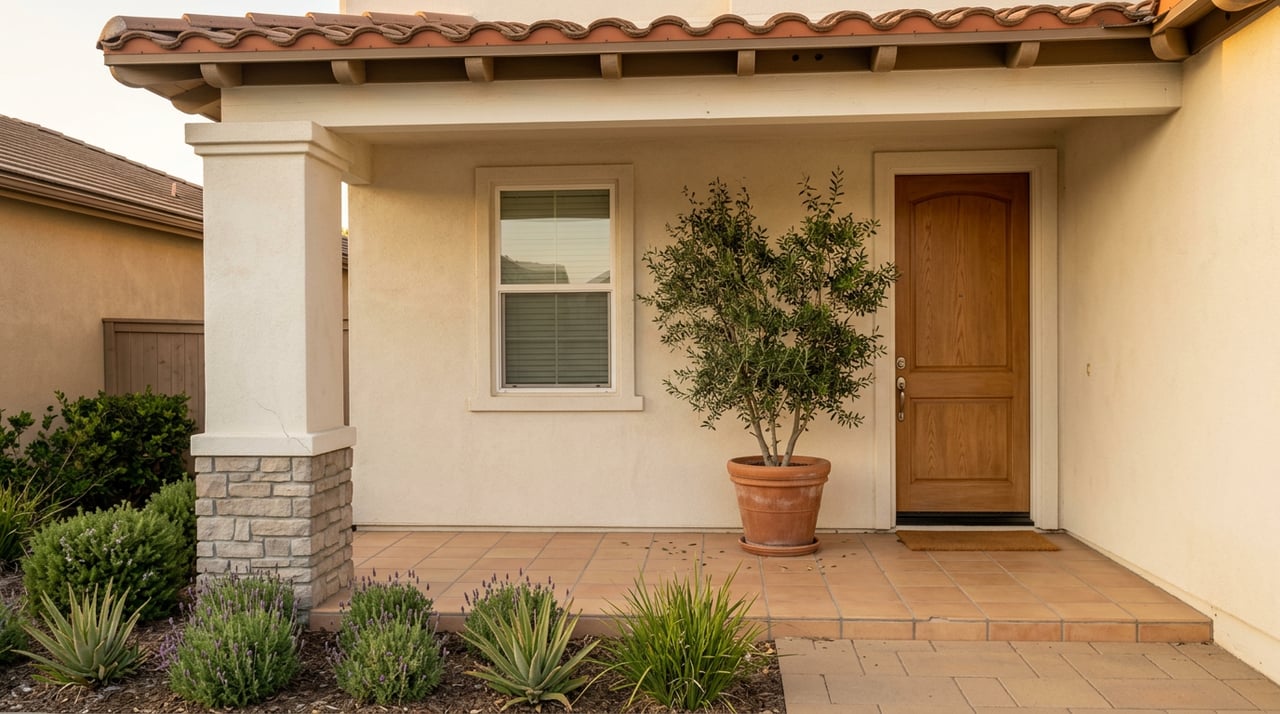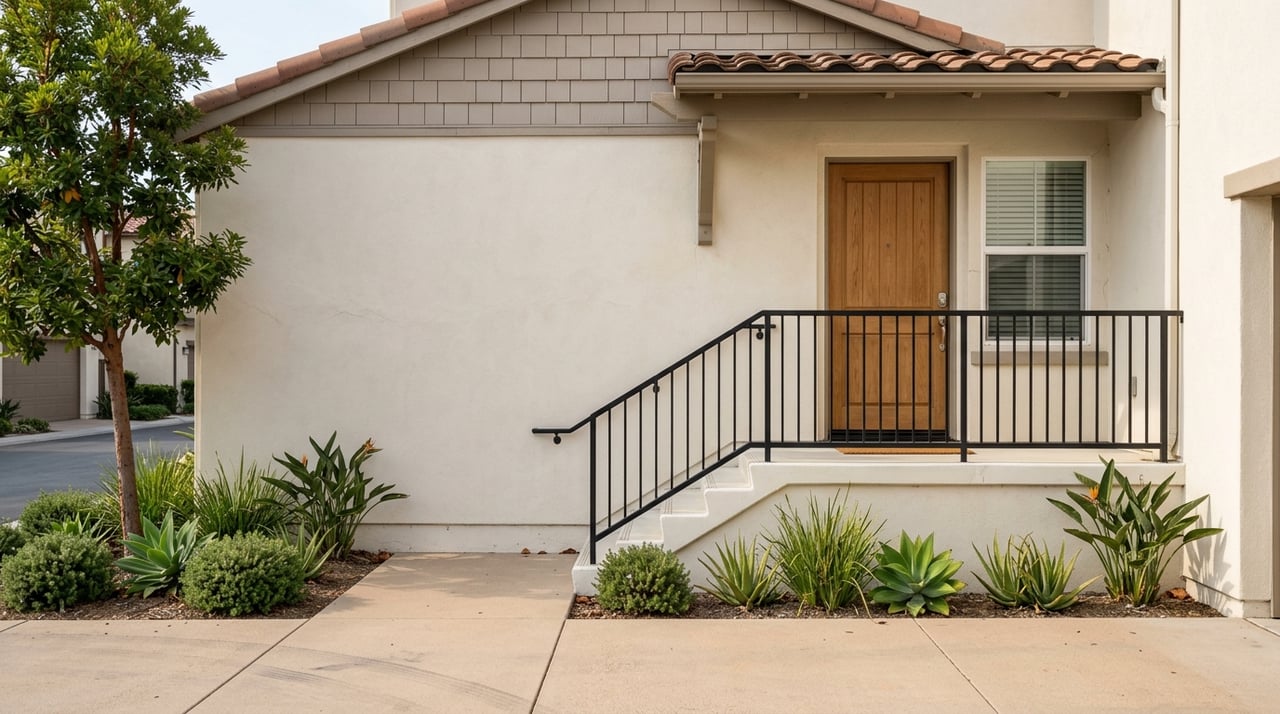
Thinking about selling a tenant-occupied property near Oxnard’s beaches? You are not alone, and you are right to be careful. In the 93035 area, selling a home with a tenant in place can affect pricing, showings, timing, and closing details, especially because Oxnard has local tenant protections that can be more protective than statewide defaults. The good news is that with a clear plan, you can avoid surprises, reduce conflict, and make smarter decisions before your home hits the market. Let’s dive in.
Know What a Sale Does Not Change
One of the biggest misunderstandings is that selling the property automatically ends the tenancy. In Oxnard, a voluntary sale does not erase a tenant’s rights.
If your tenant has a lease, they generally have the right to stay through the end of that lease on the same terms. If the tenancy is month to month, it can only end if the law allows it and proper notice is given.
That matters in beach and harbor areas where owners sometimes expect a buyer to take possession right away. In many cases, the buyer may need to purchase the property subject to the existing tenancy unless there is a lawful path to vacancy.
Oxnard Rules Matter Here
In Oxnard, local law is a major part of the conversation. After 30 days of lawful occupancy, termination generally requires just cause.
This is important because many owners hear about California tenant rules in broad terms and assume the statewide standard is the whole story. In Oxnard, the local tenant-protection chapter can be more protective, so your sale strategy should be based on city rules, not assumptions.
Oxnard also has rent stabilization rules for covered units. The city states that covered properties generally cannot have more than one rent increase in a 12-month period, and the increase is generally capped at 4% during that time.
At the same time, many properties are exempt from rent stabilization, including some owner-occupied single-family homes, some duplex situations, and transient or short-term rental uses. Still, do not assume a detached beach home is automatically exempt, because the just-cause and rent-stabilization exemptions are not identical.
Decide Whether to Sell Occupied or Wait
Before you list, it helps to answer one practical question: do you want to sell with the tenant in place, or do you want to wait and try to deliver vacant possession?
In some cases, selling occupied makes sense. A buyer looking for rental income may value an existing tenant, especially in a coastal area where inventory can be tight.
In other cases, waiting may lead to a broader buyer pool. Owner-occupants often prefer flexibility after closing, and some buyers may hesitate if they cannot move in right away.
When waiting can make sense
Waiting may be worth considering if:
- The tenant has a fixed-term lease with significant time remaining
- You want to market the home to owner-occupant buyers
- The property will show better vacant
- You want easier scheduling for photography, staging, and tours
- The costs of pursuing a lawful no-fault termination are high compared with waiting
A fixed-term lease usually stays in place even if you decide to sell. If the property is covered by just-cause protections, the tenancy may continue month to month after the lease ends unless the tenant leaves or there is a valid legal reason to terminate.
Understand Lawful Paths to Vacancy
If your goal is to sell vacant, your preference alone is usually not enough. In Oxnard, the lawful route is generally tied to a recognized no-fault just-cause reason, not simply a desire to list the home empty.
Oxnard’s no-fault grounds include:
- Owner move-in
- Relative move-in
- Ellis Act withdrawal
- A government or court habitability order
- Demolition or substantial remodel
These categories have specific standards. For example, owner move-in requires a good-faith intent to occupy the property as a primary residence for at least 24 months, along with city affidavits.
Substantial remodel also has limits. Cosmetic updates alone are not enough. The work must require permits or involve hazardous-material abatement that cannot safely be completed with the tenant in place.
This is why timing matters so much in the Oxnard beach area. A pre-listing decision about occupancy is not just a marketing choice. It can also be a legal and financial decision.
Relocation assistance can affect your math
In Oxnard, no-fault terminations trigger relocation assistance. The amount is equal to two months of rent or $5,000, whichever is greater, and it must be paid within 15 calendar days.
If you are comparing your options, this cost should be part of the discussion early. It may still make sense in some situations, but it should be weighed against expected sale timing, carrying costs, and likely buyer demand.
Create a Showing Plan Early
Showings are often where tension starts. The best way to avoid conflict is to set expectations early and use a written communication plan instead of handling each request on the fly.
California law allows a landlord or agent to enter the property to show it to prospective purchasers. Twenty-four hours is presumed reasonable notice, and entry should generally happen during normal business hours.
There is also a rule that matters for active listings. Oral notice for showings is allowed only after the tenant has already been told in writing within the prior 120 days that the property is for sale.
Just as important, access rights cannot be abused. The law says the landlord may not use entry in a way that harasses the tenant.
A smoother way to handle showings
A practical showing plan often includes:
- Written notice that the property will be marketed for sale
- Clear windows for showing days and times
- One point of contact for scheduling
- Advance notice procedures for agents and buyers
- Respectful limits on frequency when possible
- Written records of communications and entries
In Oxnard, organized communication is especially important because city notice rules for tenancy terminations are formal and detailed. Notices must be written, must state at least one just-cause reason when applicable, and copies plus proof of service must be submitted to the city within five days after service.
The city also requires notices to be delivered in the language used to negotiate the tenancy or in the language of the written lease. In a diverse coastal market with long-term tenants, that makes preparation even more important.
Be Careful With Rent Changes Before Listing
Some owners consider raising rent before listing to improve the property’s income profile. In Oxnard, that step should be handled carefully.
For covered properties, the city says rent increases generally are limited to 4% in a 12-month period, with no more than one increase during that time. The notice also must include the existence of Chapter 27 and the tenant’s right to respond to any fair-return petition.
If those notice requirements are not met, the increase does not take effect. That means a rushed rent change before listing can create compliance issues instead of adding value.
Prepare for Closing Handoffs
Even after you accept an offer, a tenant-occupied sale has a few extra moving parts. One of the biggest is the security deposit.
At sale, the selling landlord must either transfer the security deposit to the buyer or return it to the tenant. The selling landlord must also notify each tenant in writing about any deductions, the amount transferred, and the new owner’s contact information.
If the seller fails to transfer or return the deposit, both the seller and the buyer can be responsible. This is one reason clean records matter so much in a tenant-occupied transaction.
Local compliance checks before closing
For non-exempt Oxnard rentals, it is smart to confirm local compliance before closing. The city requires rental registration for non-exempt residential property and requires specific language in certain notices, including termination and rent-increase notices.
If your property is near the beach or harbor, due diligence may also include coastal-zone, floodplain, or tsunami-inundation review. These issues do not change tenant-sale rules, but they can affect permits, insurance questions, and buyer due diligence in 93035.
Short-Term Rentals Are Different
Some second-home owners in the Oxnard beach area operate properties as permitted short-term rentals. Oxnard states that its rent stabilization and just-cause ordinances do not apply to transient occupancy, including permitted short-term rental properties operating in compliance with city permit and transient occupancy tax rules.
That distinction matters. A property used as compliant transient occupancy is treated differently from a long-term tenant-occupied property, so your sale plan should reflect the actual use and permit status of the home.
A Smart Sale Starts With the Right Strategy
Selling a tenant-occupied property in Oxnard’s beach areas is possible, but it works best when you plan for both the market and the rules. You need to understand whether the property is covered, whether the tenant can remain, how showings will be handled, and whether waiting could produce a better result.
In a coastal market like 93035, the right approach is rarely one-size-fits-all. A canal home, harbor-close condo, beach cottage, or detached residence can each raise different timing and buyer-pool questions.
If you want a clear, local strategy for pricing, timing, and marketing your tenant-occupied property in Oxnard Beach areas, connect with Debbie Curran for a personalized consultation.
FAQs
What happens to a tenant when you sell a rental property in Oxnard?
- A sale usually does not end the tenancy. A tenant with a lease generally can stay through the lease term, and month-to-month tenants can be asked to leave only if the law allows it and proper notice is given.
Do Oxnard tenant protections apply after only a short tenancy?
- Yes. In Oxnard, after 30 days of lawful occupancy, termination generally requires just cause.
Can you ask a tenant to move out just because you want to sell the property vacant in Oxnard?
- Not typically. A simple preference to sell vacant is usually not enough. In many cases, you need a lawful no-fault just-cause ground if you want to pursue vacancy.
What are lawful no-fault reasons to end a tenancy in Oxnard?
- Examples include owner move-in, relative move-in, Ellis Act withdrawal, a government or court habitability order, and demolition or substantial remodel, each with specific rules.
Do you have to pay relocation assistance for a no-fault termination in Oxnard?
- Yes. Oxnard requires relocation assistance equal to two months of rent or $5,000, whichever is greater, paid within 15 calendar days.
How much notice is usually required to show a tenant-occupied home to buyers in California?
- Twenty-four hours is presumed reasonable notice for entry to show the home to prospective purchasers, and entry should usually occur during normal business hours.
Can a landlord or agent give oral notice for showings of a home for sale in California?
- Yes, but only if the tenant was already told in writing within the previous 120 days that the property is for sale.
Are all single-family homes in Oxnard exempt from tenant rules?
- No. You should not assume that a detached home is automatically exempt because Oxnard’s just-cause and rent-stabilization exemptions are not identical.
What happens to the tenant’s security deposit when an Oxnard rental property is sold?
- The seller must either transfer the security deposit to the buyer or return it to the tenant, and the tenant must be notified in writing of the details.
Do beach-area conditions in Oxnard affect a tenant-occupied sale?
- They can affect due diligence. In 93035, coastal-zone, floodplain, and tsunami-inundation issues may come up during buyer review, even though they do not change the tenant-sale rules themselves.