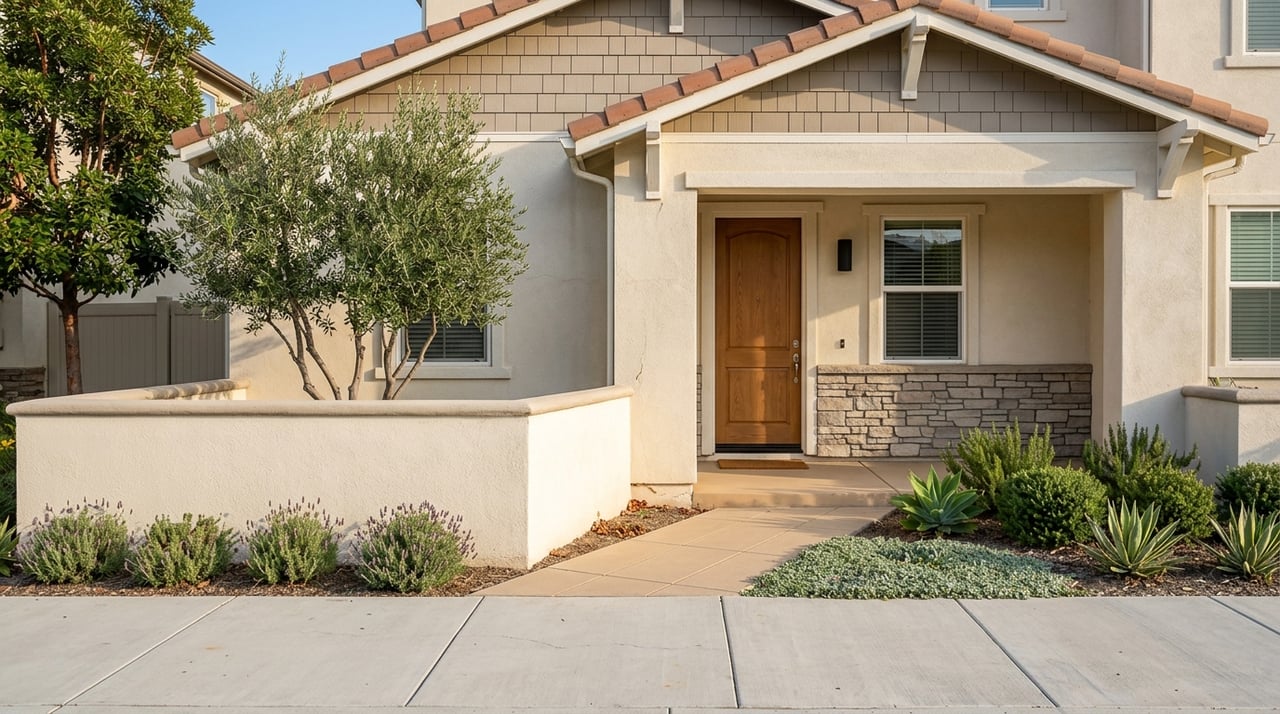
Thinking about leaving Los Angeles for Camarillo? You are not alone. For many buyers, this move is about trading density and daily congestion for more space, a calmer routine, and a different pace of life without leaving Southern California behind. If you are weighing that change, this guide will help you understand what really shifts when you relocate from Los Angeles to Camarillo, from housing and commute patterns to climate and lifestyle. Let’s dive in.
Why Camarillo Feels Different
Camarillo and Los Angeles are close enough to share a Southern California identity, but they live very differently day to day. Camarillo has about 69,881 residents across 19.69 square miles, while Los Angeles has about 3,878,704 residents across 469.49 square miles.
That difference shows up in everyday life. Camarillo has a population density of 3,593.5 people per square mile, compared with 8,304.2 in Los Angeles. If you are moving from LA, Camarillo will likely feel less crowded, less urban, and more suburban in character.
City planning materials describe Camarillo as centrally located in Ventura County, roughly between Los Angeles and Santa Barbara. The city is also framed by agricultural greenbelts and hillside open space, which helps explain why the setting often feels more open and relaxed.
What Daily Life Looks Like
One of the biggest lifestyle changes is pace. Camarillo is often associated with sunshine, open-air shopping, surrounding hills, Old Town Camarillo, a Saturday farmers market, and strong agricultural roots.
That does not mean it feels sleepy. It means your routine may center more on local errands, outdoor time, and regional access by car rather than the constant movement and variety of a major urban core.
For many people, that is the appeal. You may give up some big-city convenience, but gain a setting that feels easier to navigate and simpler to settle into.
Commute Expectations Matter
If you are relocating from Los Angeles to Camarillo, your commute tolerance should be one of your first filters. This is especially true if you plan to keep working in LA or travel there regularly.
US 101 is the main route through this corridor, and Ventura County Transportation Commission has an active 27-mile project between Thousand Oaks and Ventura focused on reducing congestion and improving mobility. That is helpful context, but it does not change the fact that this is still a corridor where driving plays the leading role.
Census data shows a mean travel time to work of 23.0 minutes in Camarillo, compared with 30.7 minutes in Los Angeles. On paper, that sounds easier. In practice, your experience depends heavily on where you need to go and when you need to be there.
Camarillo Is Car-First
SCAG’s Camarillo profile reports that 82% of residents drove alone to work, while only 1% used public transit in the 2018 data behind that profile. That tells you a lot about how the city functions.
If you are used to LA’s mix of driving, rideshare, and transit options, Camarillo may feel more car-dependent. Rail and bus connections exist, but they work better as a backup or a targeted option than as a full replacement for driving.
Rail Access Is Useful, Not Universal
Camarillo station sits on Metrolink’s Ventura County Line. The station also lists connections to VCTC Intercity, Amtrak, Camarillo Area Transit, and Rally, and Metrolink notes free passenger parking with about 406 spaces.
That can be a real advantage if your schedule and destination line up with available service. Still, for most households, the better way to think about Camarillo is as a place where transportation planning matters more than in a dense urban setting.
Housing Feels More Suburban
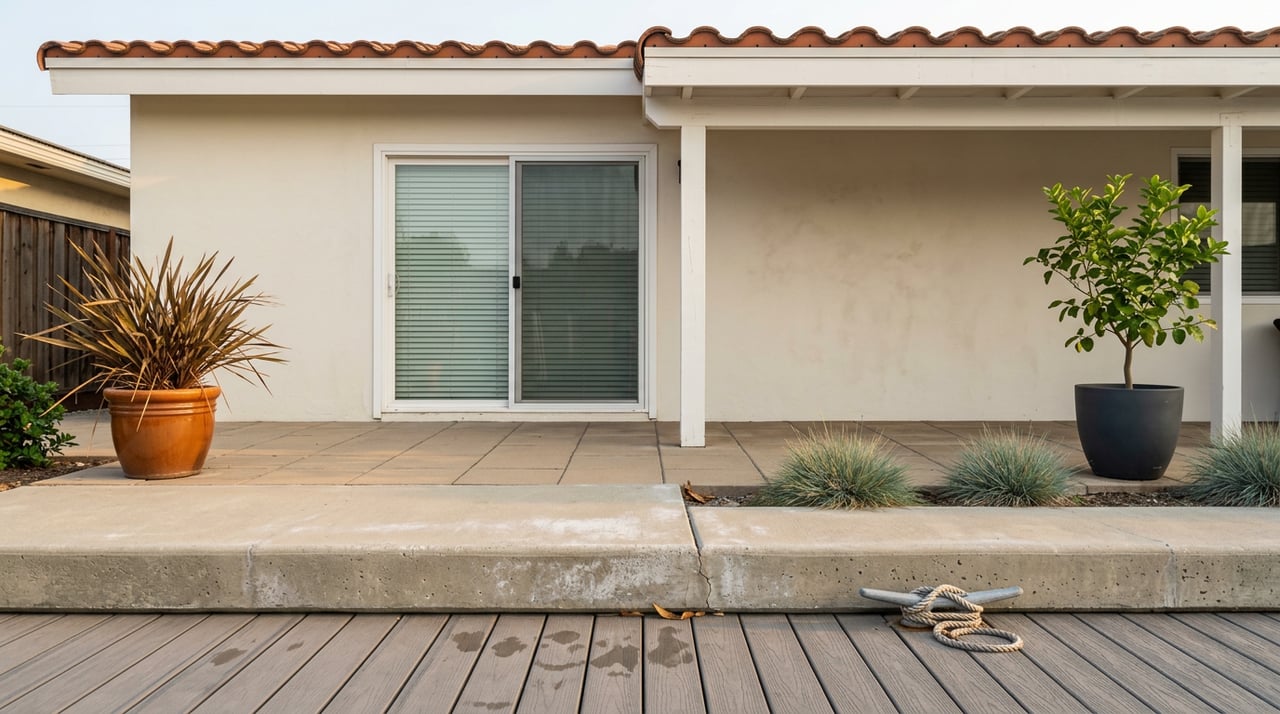
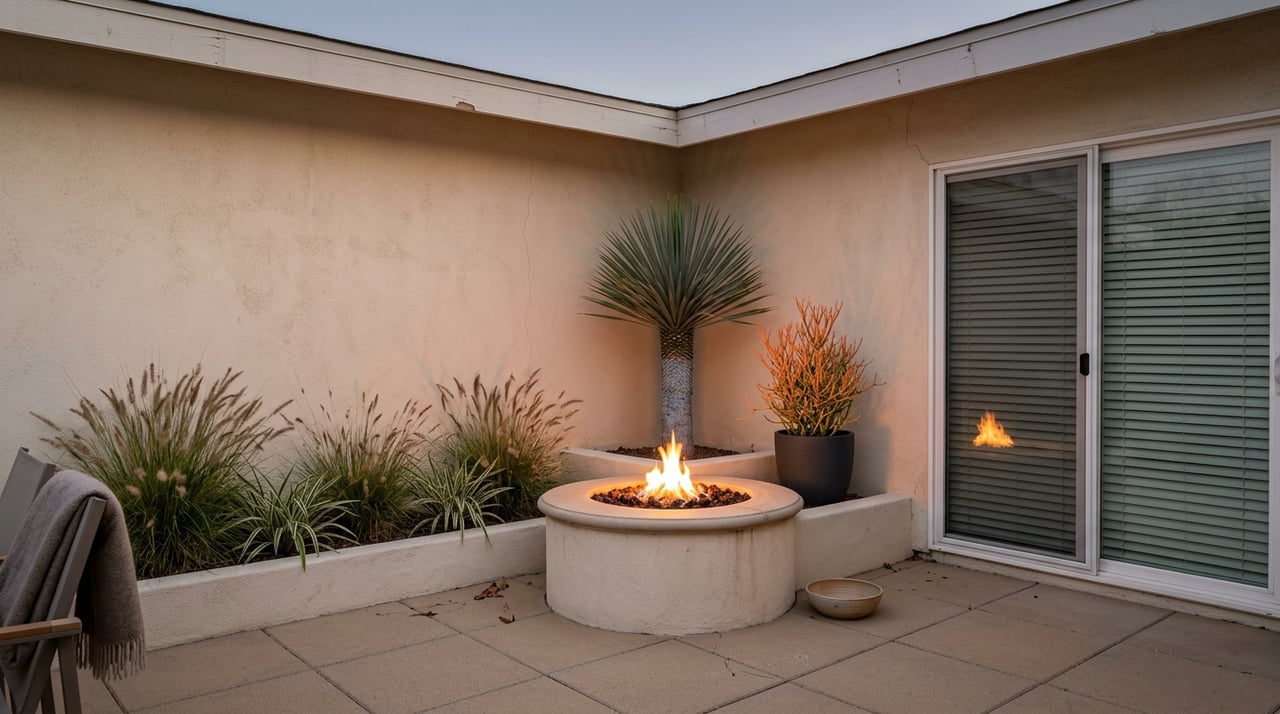
For many buyers, the biggest reason to move is the housing mix. Camarillo’s housing stock is much more suburban than what you find across much of Los Angeles.
SCAG reports that Camarillo’s housing stock is 60.0% single-family detached, 16.9% single-family attached, 15.4% multifamily in buildings with five or more units, and 3.8% mobile homes. That points to a market with more detached homes, townhome-style options, and lower-density living overall.
Just as important, 78.9% of Camarillo’s housing stock was built after 1970. If you are looking for a home that feels newer than much of LA’s older urban inventory, Camarillo may align better with your search.
Ownership Is More Common
Camarillo has a 64.6% owner-occupied housing rate. In Los Angeles, that figure is 36.0%.
That gap helps explain the different feel of the two markets. Camarillo is more ownership-heavy, which often goes along with a more stable suburban housing pattern and a stronger emphasis on long-term residential living.
More Space Does Not Mean Cheap
This is where buyers need a clear-eyed view. Camarillo may offer lower density and a different home mix, but it is not a bargain market.
Current Census QuickFacts show a median owner-occupied home value of $827,300 in Camarillo, compared with $921,200 in Los Angeles. That may sound favorable at first glance, but Camarillo still sits at a high price point for many buyers.
Renters should also pay attention. Median gross rent is $2,734 in Camarillo, compared with $1,933 in Los Angeles, according to the same source.
Budget Planning Is Essential
Before you start touring homes, it helps to think beyond the headline price. Camarillo’s median monthly owner costs with a mortgage are $3,121.
The city’s median household income is $113,428, compared with $81,939 in Los Angeles. That difference helps explain why Camarillo supports a more ownership-oriented suburban market, but it also means buyers should budget carefully and align their expectations early.
A smart relocation plan usually starts with four questions:
- How much monthly payment feels comfortable for you?
- How far are you willing to commute on a regular basis?
- What home type fits your lifestyle best?
- Do you want convenience near Highway 101 or a more neighborhood-driven setting?
Climate Changes Are Subtle
If you are worried about a dramatic weather shift, you can relax. Camarillo and Los Angeles are both mild by national standards.
NOAA climate normals show an annual mean temperature of 62.5°F in Camarillo and 63.6°F at Los Angeles International Airport. Annual precipitation is also very similar, at 12.01 inches in Camarillo and 12.23 inches in Los Angeles.
The main difference is in how it feels through the day. Camarillo is a little warmer in daytime highs, with a mean daily maximum of 73.0°F versus 70.6°F in Los Angeles, and a little cooler at night, with a mean daily minimum of 52.0°F versus 56.6°F.
What That Means For You
In practical terms, the climate shift is more about comfort than extremes. Camarillo still feels Southern California mild, but with a Ventura County inland-coastal transition rather than a central Los Angeles basin feel.
For many buyers, that is a welcome middle ground. You keep the mild weather, but with a setting that can feel slightly more open and less urban.
How To Narrow Your Home Search
When you relocate from Los Angeles to Camarillo, it helps to search with priorities, not just price. A focused plan can save you time and help you compare homes more clearly.
The most useful filters for this move are:
- Commute tolerance: How often will you need to drive toward Los Angeles or elsewhere in the region?
- Home type: Do you want a detached home, attached home, condo-style option, or another lower-maintenance setup?
- Budget: Can your monthly costs support Camarillo’s pricing profile?
- Setting: Do you prefer newer suburban neighborhoods, Old Town character, or easier access to the station and Highway 101?
These questions matter because Camarillo is not just a smaller version of Los Angeles. It is a different kind of market with different strengths.
The Real Trade-Offs
Every relocation comes with trade-offs, and this one is no different. Camarillo can offer less congestion, lower density, and a smaller-city routine.
At the same time, you may find fewer big-city amenities and a daily rhythm that depends more on driving and planning around the 101 corridor. For many households, that trade is absolutely worth it. The key is knowing whether it fits the way you actually live.
If you are considering a move from Los Angeles to Camarillo, the best next step is to compare your current routine with the one you want. When your commute, housing goals, and budget all point in the same direction, the move tends to make a lot more sense.
If you want local guidance as you compare Camarillo neighborhoods, home types, and commute trade-offs, Debbie Curran can help you make a confident move in Ventura County.
FAQs
Is Camarillo less crowded than Los Angeles?
- Yes. Camarillo has a much smaller population and lower population density than Los Angeles, so it generally feels less crowded and more suburban.
Is commuting from Camarillo to Los Angeles realistic?
- It can be for some people, but it depends on your destination, schedule, and tolerance for driving along the 101 corridor. Camarillo is better described as corridor-dependent than urban-core convenient.
Is public transit in Camarillo a main way to get around?
- For most residents, no. SCAG data shows most people drive alone to work, while a small share use public transit.
Are homes in Camarillo newer than many homes in Los Angeles?
- Often, yes. SCAG reports that 78.9% of Camarillo’s housing stock was built after 1970, which supports a generally newer suburban housing profile.
Is Camarillo more affordable than Los Angeles?
- It depends on whether you are buying or renting. Camarillo’s median owner-occupied home value is lower than Los Angeles city’s, but it remains a high-cost market, and median gross rent is higher in Camarillo.
What should buyers focus on when relocating from Los Angeles to Camarillo?
- The most important factors are commute tolerance, budget, preferred home type, and whether you want newer suburban areas, Old Town character, or access near Highway 101 and the station.